WCLIB Grading Explained: Select Structural vs No. 1 Timber
Every structural timber from a PNW mill is WCLIB graded. What each grade means, when to specify which one, and how to read the stamp on your delivery.
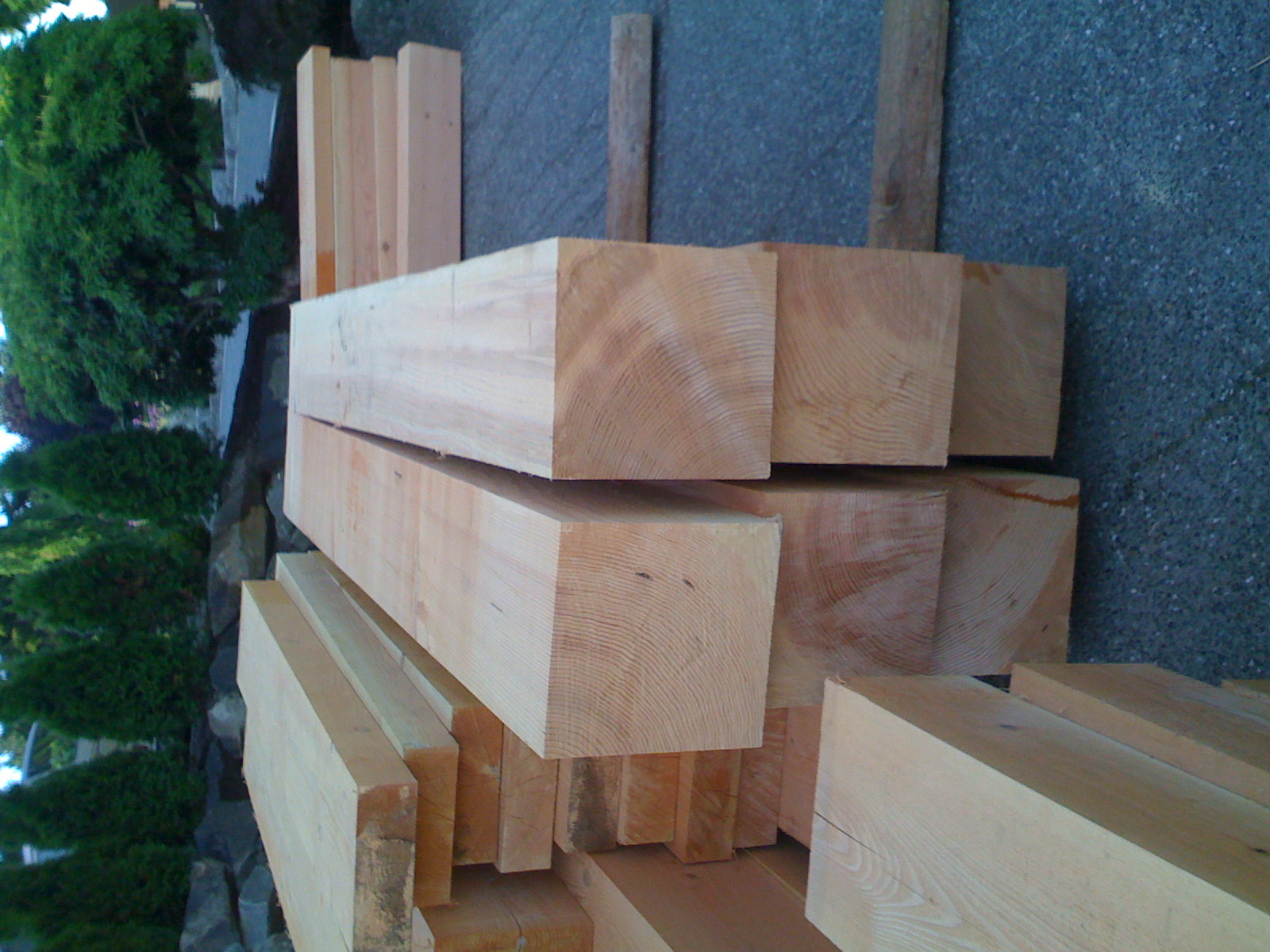
If you have ever read a structural drawing, you have seen something like “12x12 Douglas Fir, WCLIB No. 1 Structural” in the spec. The species and dimension are easy to understand. The grade designation is less so for most buyers.
Here is what WCLIB grading actually means, what the major grades signify, and how to specify the right one for your project.
What WCLIB Is
WCLIB stands for the West Coast Lumber Inspection Bureau. It is the third-party agency that establishes grading standards for softwood lumber from western mills, primarily in the Pacific Northwest. WCLIB-certified inspectors evaluate timber for specific structural and visual characteristics, and grade stamps indicate that a piece of lumber meets the standards for its assigned grade.
The standards are not arbitrary. They are tied to engineered design values that structural engineers use to calculate beam capacity, column loads, and structural performance. When you specify “WCLIB No. 1 Structural Douglas Fir,” your engineer knows exactly what design values to assume in their calculations.
The Major Grades
For heavy timber, three grades cover most projects:
Select Structural is the highest grade. It allows minimal defects and yields the highest design values. Use it when:
- Your engineer is calculating to tight tolerances
- The timber will be visible and visual quality matters
- You need maximum performance from minimum cross-section
No. 1 Structural is the workhorse grade. It allows slightly more permissible defects than Select Structural but still rates for full structural use across the vast majority of applications. About 80 percent of what most mills ship is No. 1.
No. 2 Structural is the economical grade. It allows more visible defects and has slightly lower design values. It shows up on drawings for timber that will be hidden inside a wall or covered, or where the application has modest structural demands.
We do not mill No. 2 in volume, so see the note further down before you spec it.
Below No. 2 there are grades like Standard, Utility, and Construction Light, but these are for non-structural applications (blocking, bracing, temporary work) and do not come up much in heavy timber.
What Inspectors Look At
A WCLIB grader evaluates each timber against the standards for the assigned grade. Things they check:
Knots. Size, frequency, type (sound or unsound), and location. Knots reduce strength, especially when they appear in tension zones of a beam. Higher grades allow smaller and fewer knots.
Slope of grain. The angle the grain runs relative to the long axis of the timber. Steep slope of grain reduces strength. Higher grades require straighter grain.
Wane. Bark or missing wood along an edge. Wane reduces effective cross-section.
Shake and checks. Cracks in the wood. Shake is a separation along the grain (often present before milling), checks are surface cracks (often appearing as the wood dries).
Splits. End splits where the wood has separated. Larger splits or splits running deep into the timber affect structural performance.
Decay. Any signs of fungal damage or rot.
Warp. Bow, crook, twist, or cup. Warped timbers are harder to use and may not meet straightness requirements.
Density and growth characteristics. Some grades have requirements for minimum rings per inch or summerwood percentage.
Each grade has specific limits for each of these factors. A timber meeting all the limits for its assigned grade gets the stamp.
How Design Values Tie to Grades
For Douglas Fir-Larch (the standard species group for PNW Douglas Fir), the published design values vary by grade. Approximate ranges for structural timbers (5 inches and thicker):
Select Structural Douglas Fir-Larch:
- Bending (Fb): 1,500 psi
- Compression parallel (Fc): 1,700 psi
- Modulus of elasticity (E): 1,700,000 psi
No. 1 Structural Douglas Fir-Larch:
- Bending (Fb): 1,200 psi
- Compression parallel (Fc): 1,500 psi
- Modulus of elasticity (E): 1,600,000 psi
No. 2 Structural Douglas Fir-Larch:
- Bending (Fb): 750 psi
- Compression parallel (Fc): 1,250 psi
- Modulus of elasticity (E): 1,300,000 psi
These are reference values. Your engineer will apply adjustment factors (load duration, wet service, size factor, etc.) to get the final allowable values for your specific application. Always check current published values from WCLIB or your engineer’s source.
How to Read a Grade Stamp
Every WCLIB-graded timber carries a stamp identifying:
- The grade (e.g., “No. 1 STR”)
- The species or species group (e.g., “DF” for Douglas Fir, “DF-L” for Douglas Fir-Larch)
- The mill number identifying who graded it
- The WCLIB designation confirming the grading agency
If you see a Douglas Fir timber without a grade stamp, it has not been graded. You cannot use ungraded structural lumber for engineered applications because the design values are undefined.
Specifying the Right Grade
Your structural engineer should specify the grade based on your project’s loads. If you have flexibility, here is how the trade-offs typically work:
Specify Select Structural when:
- You are designing to tight tolerances and need maximum capacity
- The timber will be exposed in a high-end finish application
- The cost premium (about 30 percent more than No. 1) is acceptable
Specify No. 1 when:
- Your engineer’s calculations work with No. 1 design values (true for most applications)
- The timber will be visible but you can accept normal grade defects
- You want the best balance of cost and quality
No. 1 Structural is our standard grade and it is what we mill in volume. We rarely have No. 2 on hand, so if your drawings call for it, give us a call. No. 1 exceeds No. 2 on every design value and is what we will quote.
If your engineer specified a grade and you want to substitute (typically downgrading to save money), get their sign-off. Never substitute grades without engineering review.
When Grade Does Not Cover Everything
A few things grade stamps do not tell you:
Moisture content. Grade does not specify dry vs green. If you need kiln-dried or specific moisture content, spec it separately — though for large sections it is worth reading why large timbers are not kiln-dried first.
FOH (Free of Heart Center). This is a cutting specification, not a grade. Spec it separately.
Surface finish. Rough sawn vs surfaced (S4S, S2S, etc.) is a finish spec, not a grade.
Old growth vs second growth. Grade does not distinguish between these. If you need old growth, specify it explicitly.
Getting Properly Graded Material
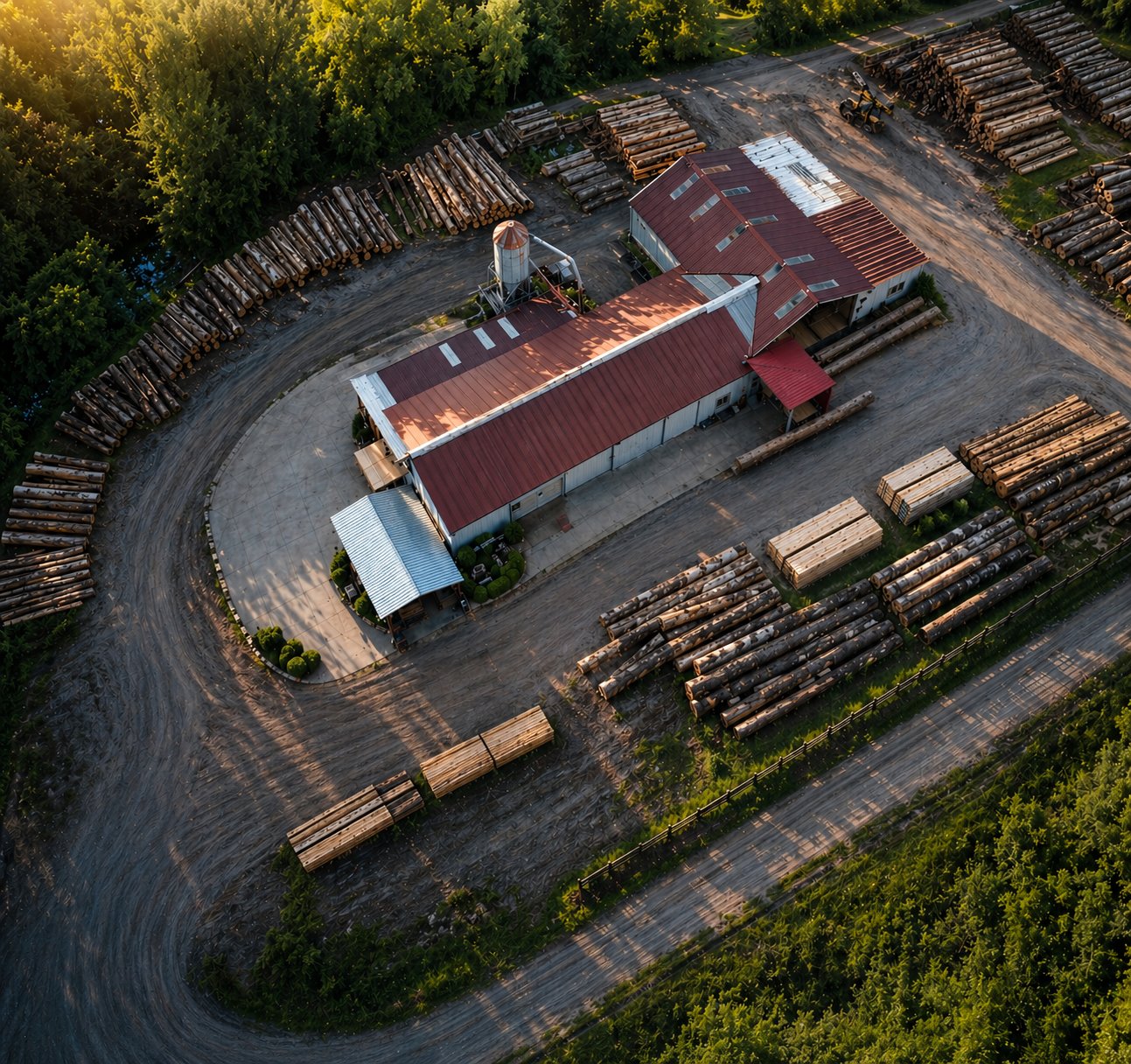
Every timber leaving our mill in Arlington, Washington is WCLIB graded. When you order from us, you tell us the grade you need and we deliver to that specification with the grade stamp on every piece. Our standard offering is No. 1 Structural Douglas Fir, with Select Structural available at a 30 percent premium.
For more detail on what we mill and how, see our specifications page or request a quote for your project.
Last updated September 14, 2026