
Start Here
Five Variables Decide Every Order
Whatever you are building, the conversation with a mill comes down to the same five things. Knowing where your project sits on each one is most of the work, and it is the fastest way to a price that means something.
How big the member is, 6x6 through 30x30. Most lumber yards stop around 8x8, which is where a lot of projects discover they need a mill.
Standard to 20 ft, custom to 60 ft. Every splice you avoid is hardware, labor and a detail an engineer has to design.
No. 1 Structural as standard, WCLIB graded. Select Structural adds 30 percent and is worth it on a short list of members, rarely on a whole package.
Free of Heart Center reduces checking and twist on exposed members. Available to 12x12, not above, because of how the logs cut.
Douglas Fir is not naturally rot resistant and should not be buried. Piers and standoff brackets, not posts in soil. This one is not negotiable.
By Project Type
Browse the Applications
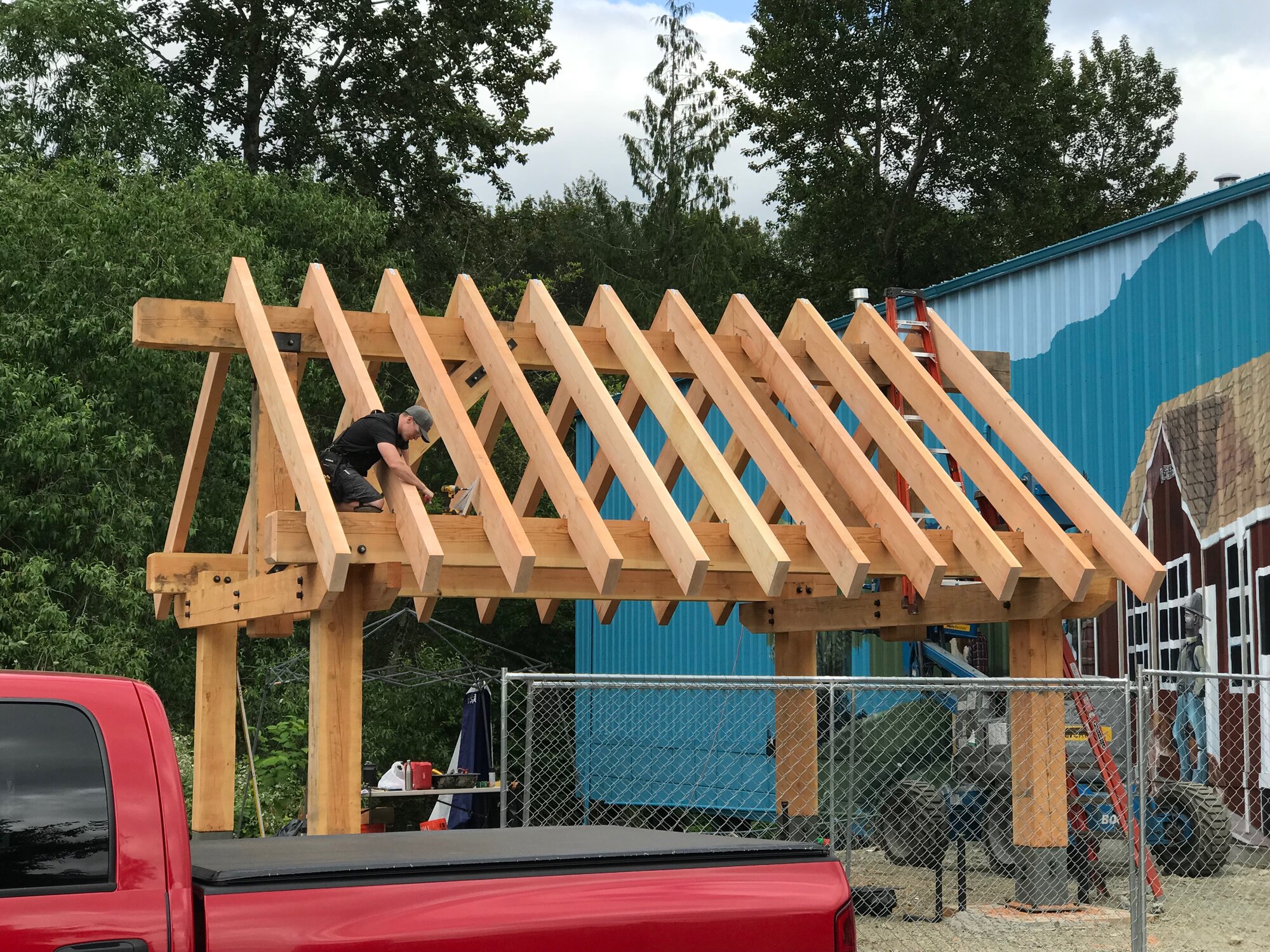
Timber Frame & Post-and-Beam
Full nominal sections for joinery. Green for cutting. Lengths to 60 ft.
Learn More →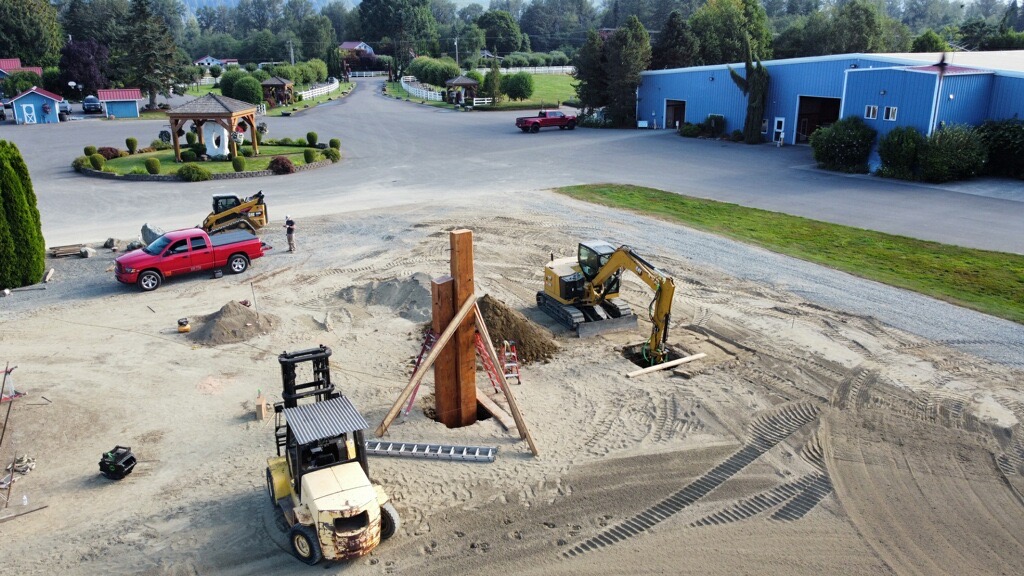
Equestrian
Arena, barn and stall timber. Clear spans are the whole problem.
Learn More →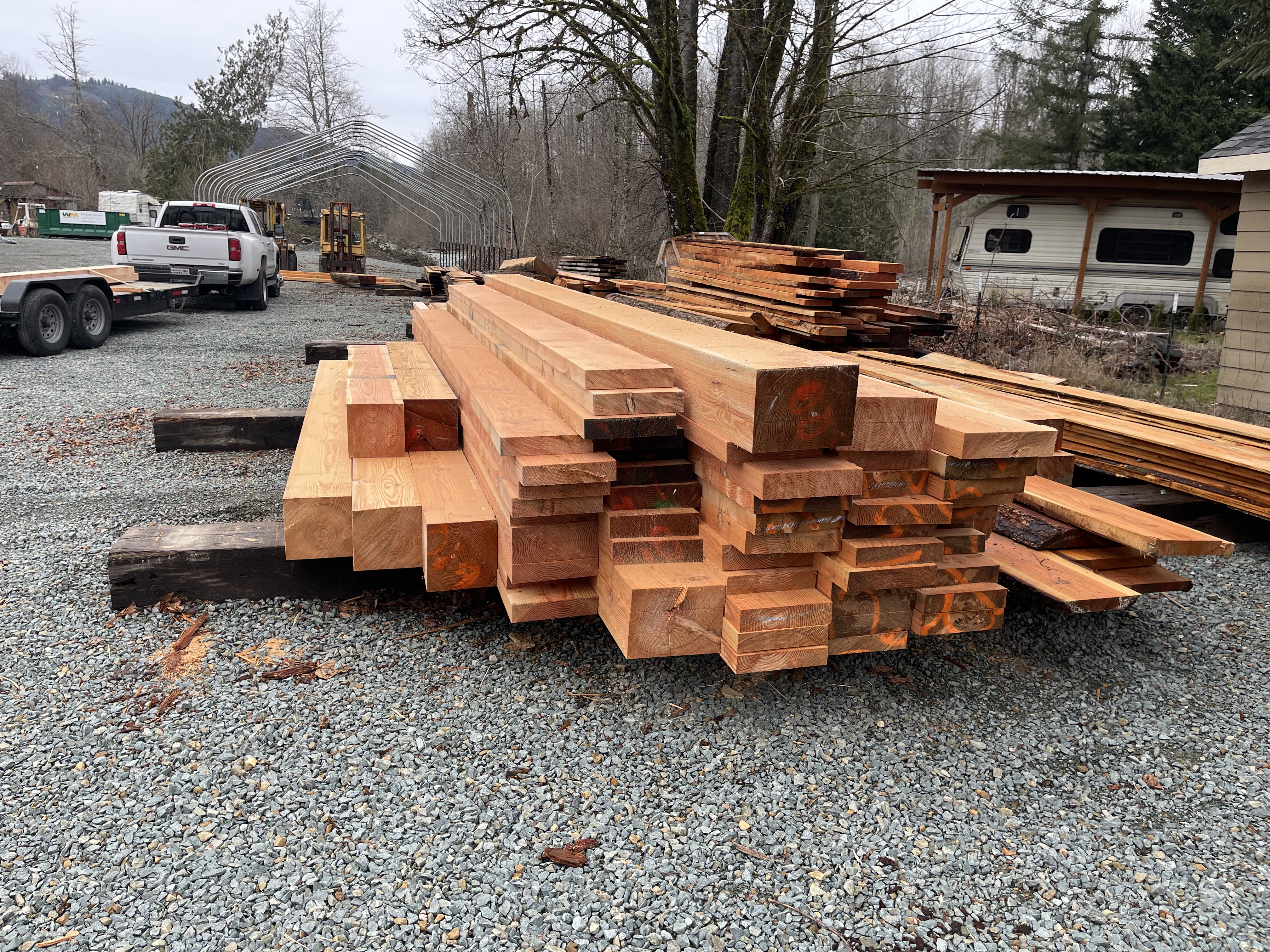
Crane Mats & Industrial
12x12 No. 1 Structural for mats, cribbing and lagging. Volume rate reached fast.
Learn More →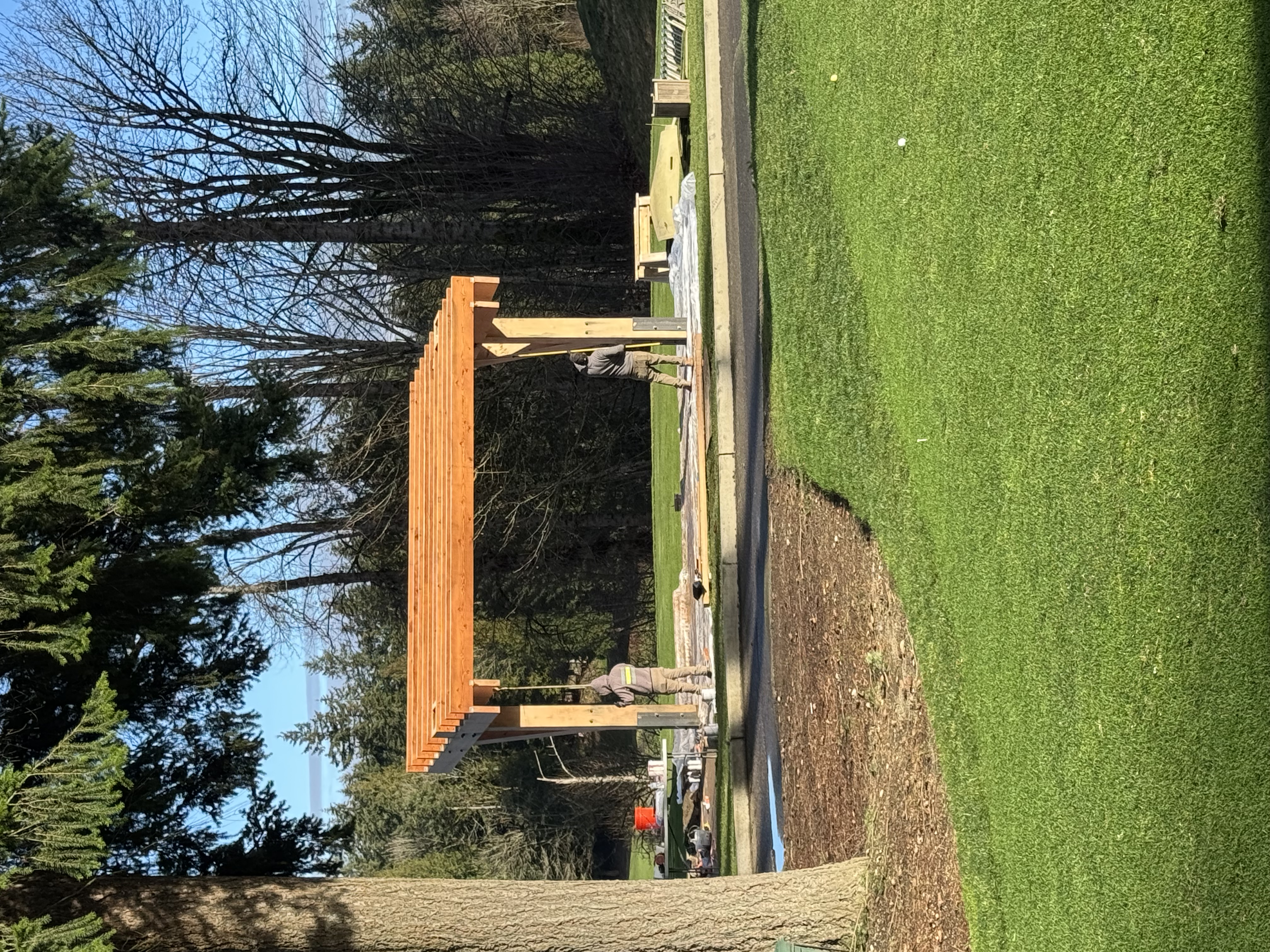
Outdoor Structures
Pergolas, pavilions, carports, gates. Everything exposed, so appearance counts.
Learn More →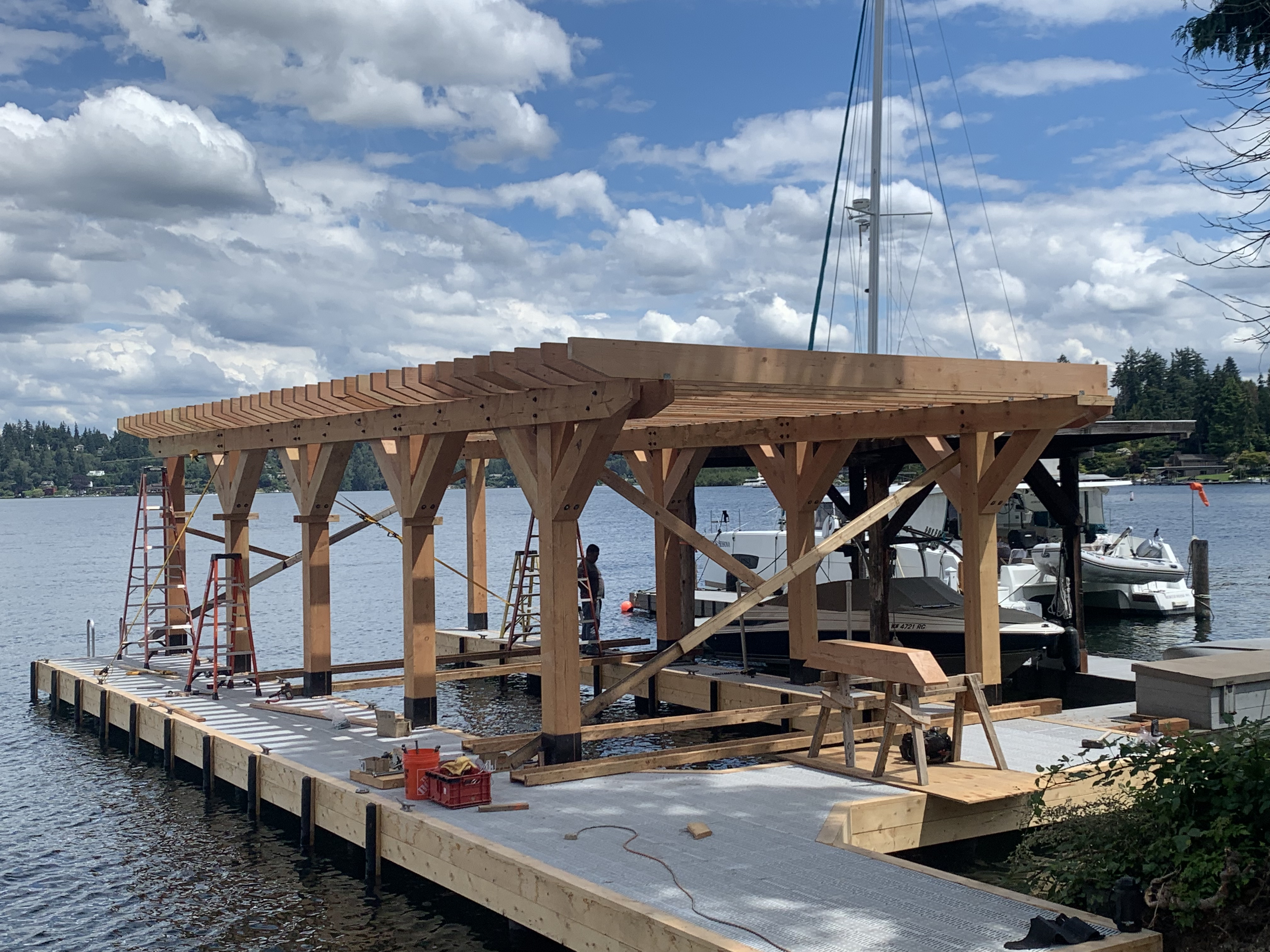
Bridge & Dock
AASHTO-referenced species. Stringers, bents and caps. Grade stamp on request.
Learn More →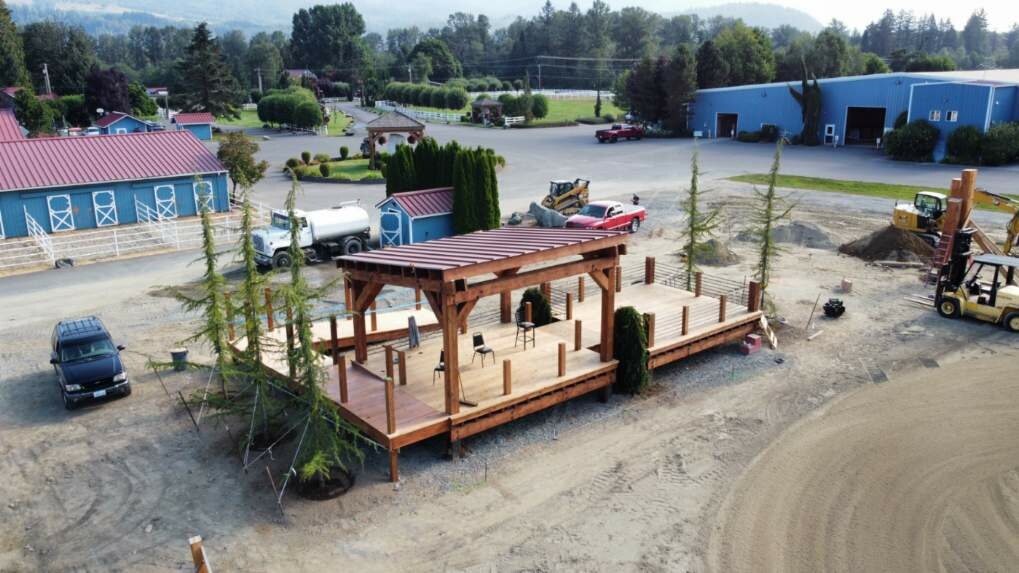
Agricultural
Barns, shelters and farm structures. Cost-effective against steel.
Learn More →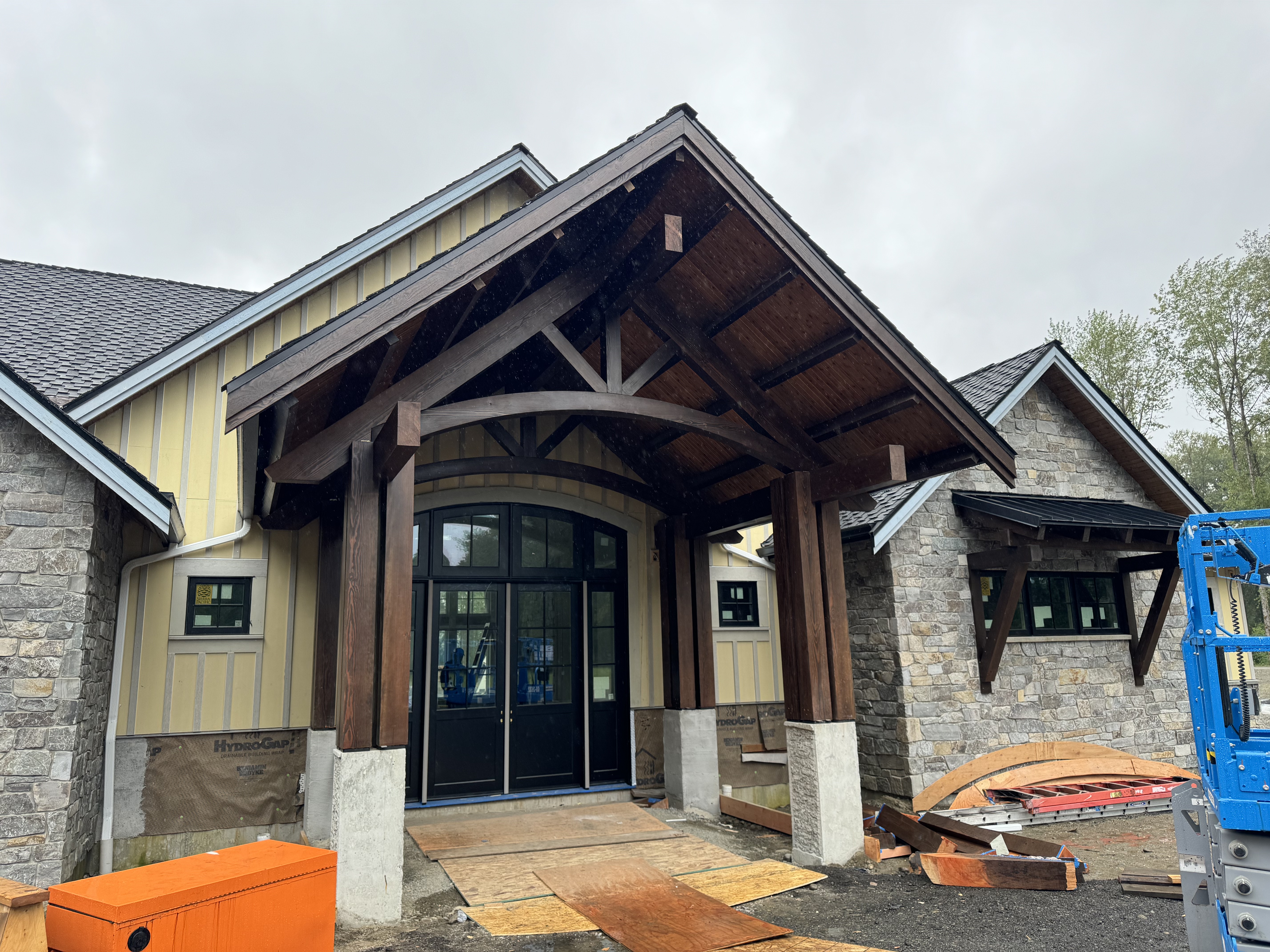
Architects & Designers
Sample packs, spec sheets and design values for specification work.
Learn More →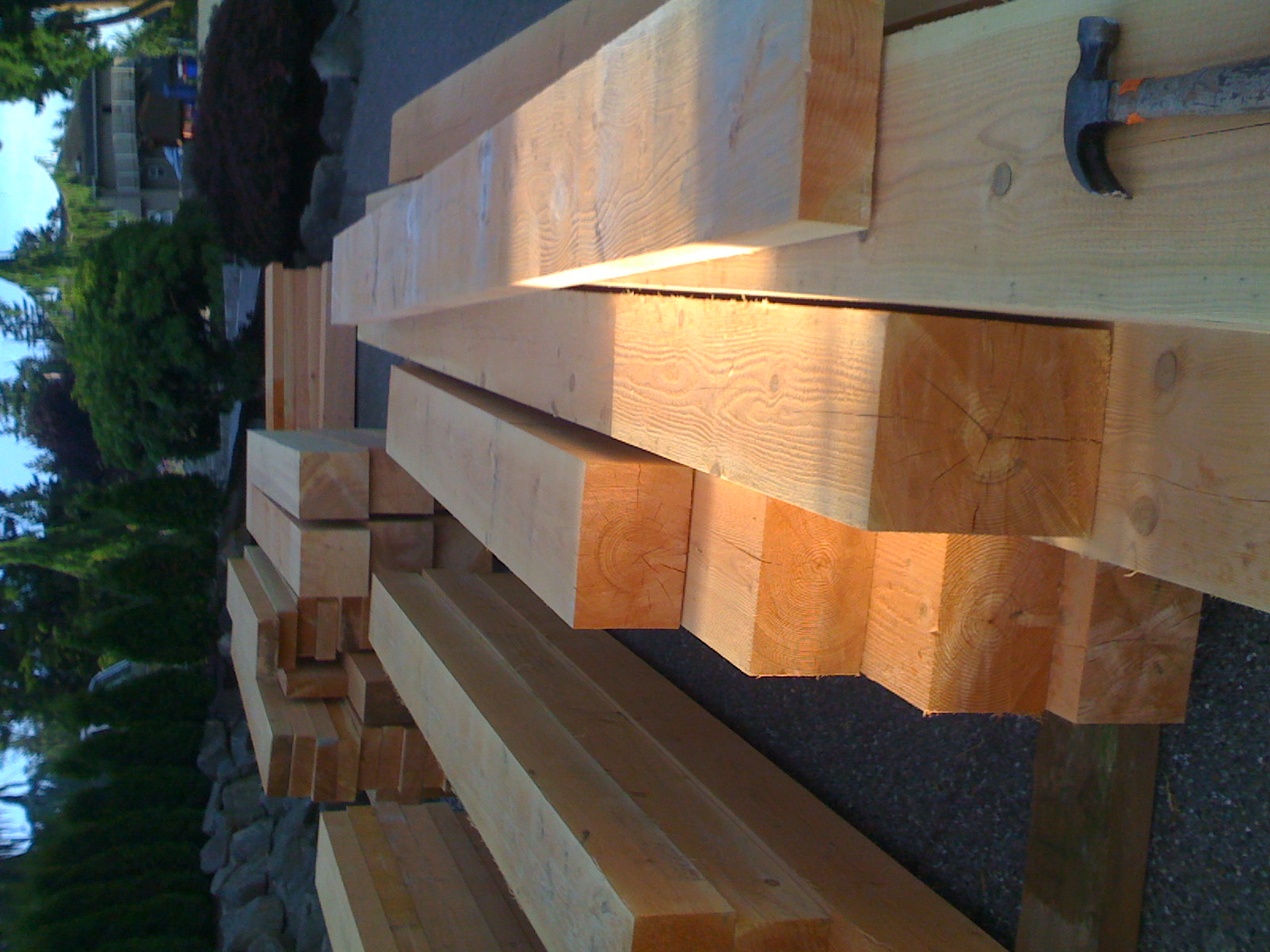
Export & International
Container load support. Phytosanitary and documentation. Port of Everett nearby.
Learn More →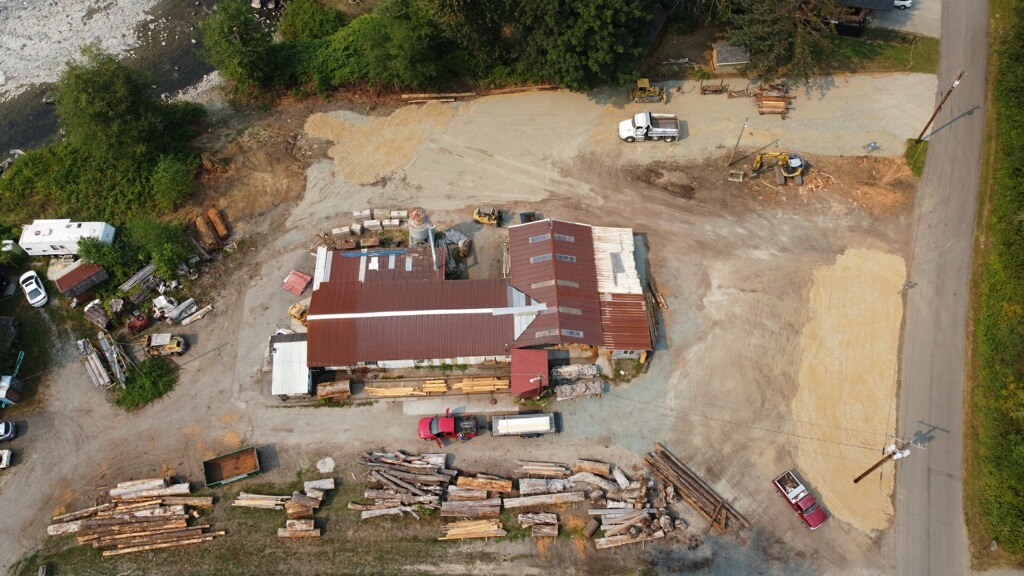
Wholesale & Lumberyards
Net-30 terms, drop-ship program, regional exclusivity.
Learn More →Why These Projects End Up at a Mill
Past a Certain Size, the Yard Runs Out
A lumber yard stocks what sells in volume, which means dimensional lumber and posts up to around 8x8 in standard lengths. That covers most construction perfectly well. The projects on this page are the ones that walk past the end of that rack.
When you need a 16x16, or a 40 ft member, or 4,000 board feet of consistent 12x12, a distributor has to source it from a mill anyway and add a margin on the way through. Buying direct removes that layer, and more usefully it removes the guesswork, because we are cutting to your list rather than hoping stock matches your drawing.
Everything here is Coast Douglas Fir, milled at our Arlington, Washington location and shipped nationwide. Design values and weight tables are on the specifications page, rates on pricing, and there is a longer argument in mill direct vs lumber yard.
Send a Cut List