Old Growth vs Second Growth Douglas Fir: Rings & Cost
Old growth runs 20 or more growth rings per inch, second growth just 8 to 15. Compare grain, strength and cost, and see when each is worth specifying.
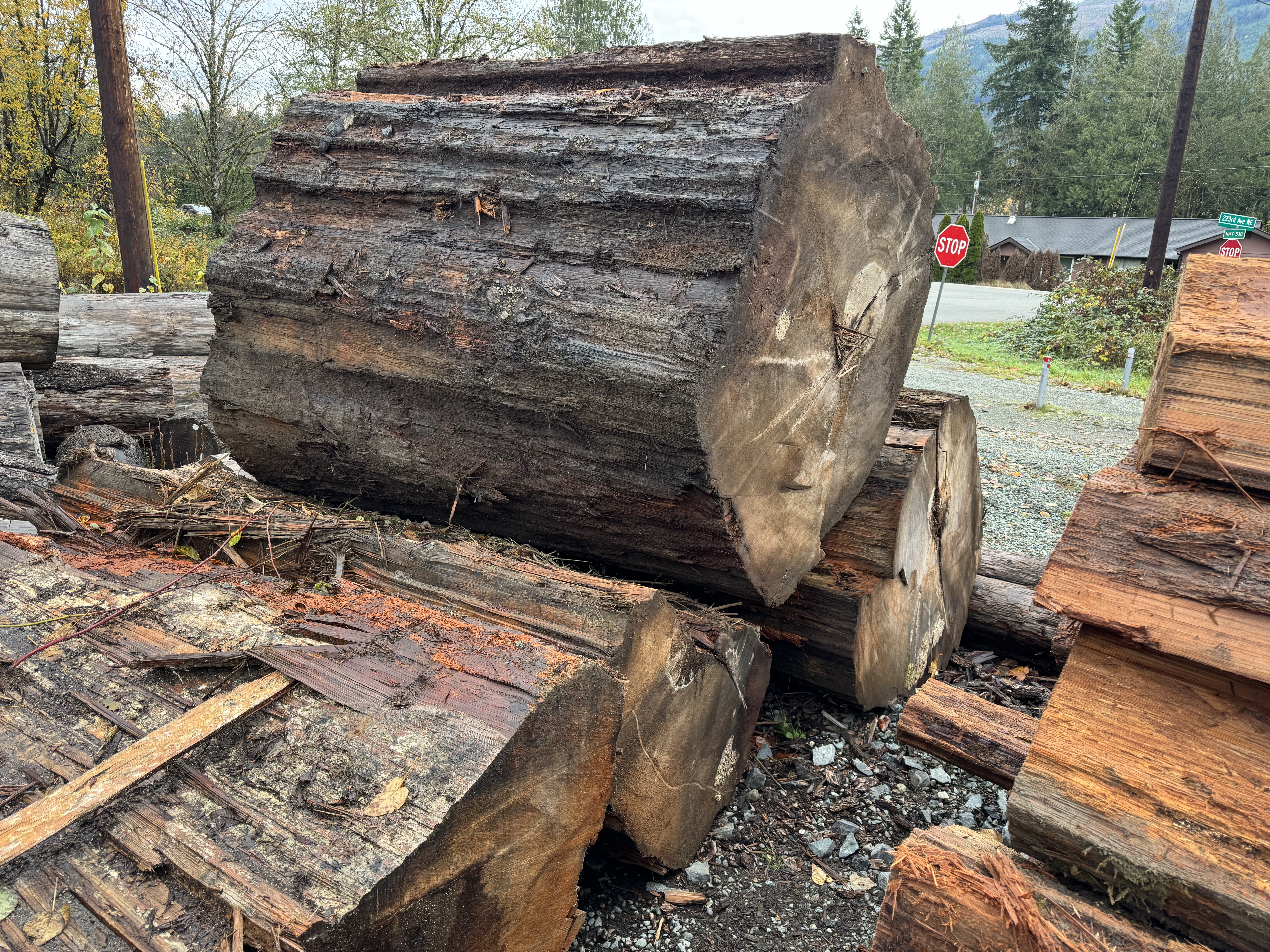
The question we field most often from architects and serious builders is whether to specify old growth or second growth Douglas Fir. The answer matters more than most people realize, both for performance and for cost.
If you are working on a heavy timber project in the Pacific Northwest or anywhere old growth Douglas Fir might end up exposed, this guide gives you the practical framework for making the right call.
What Defines Old Growth
Old growth Douglas Fir comes from trees that have been growing for 250 years or more, often much longer. In the original forests of the Pacific Northwest, individual Douglas Firs sometimes reached 500 to 1,000 years old before being harvested. The defining characteristics:
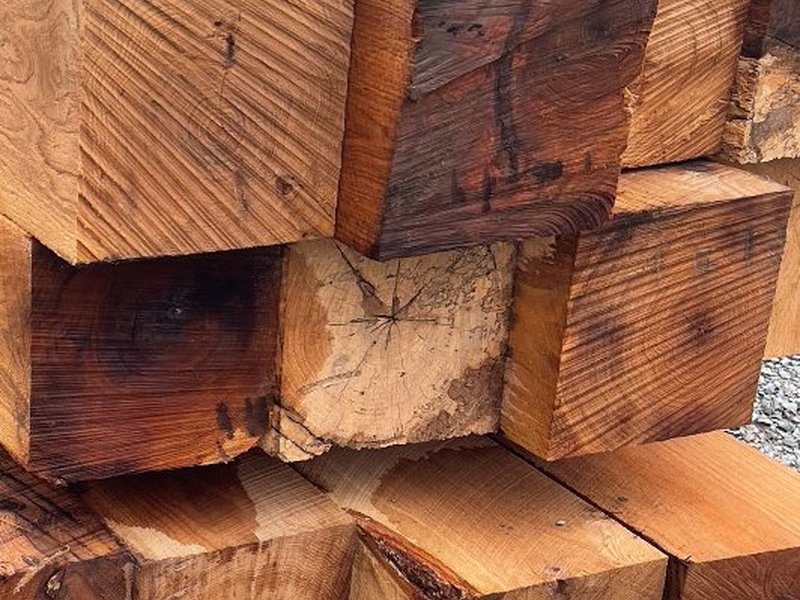
Tight grain. Old growth typically has 20 or more growth rings per inch. The slower a tree grows, the tighter the grain.
High heartwood content. The center of the tree (heartwood) is the densest, most rot-resistant part. Old growth trees have been laying down heartwood for centuries.
Even, predictable structural properties. Because growth rates were slow and consistent, the wood is dimensionally stable and has predictable strength values.
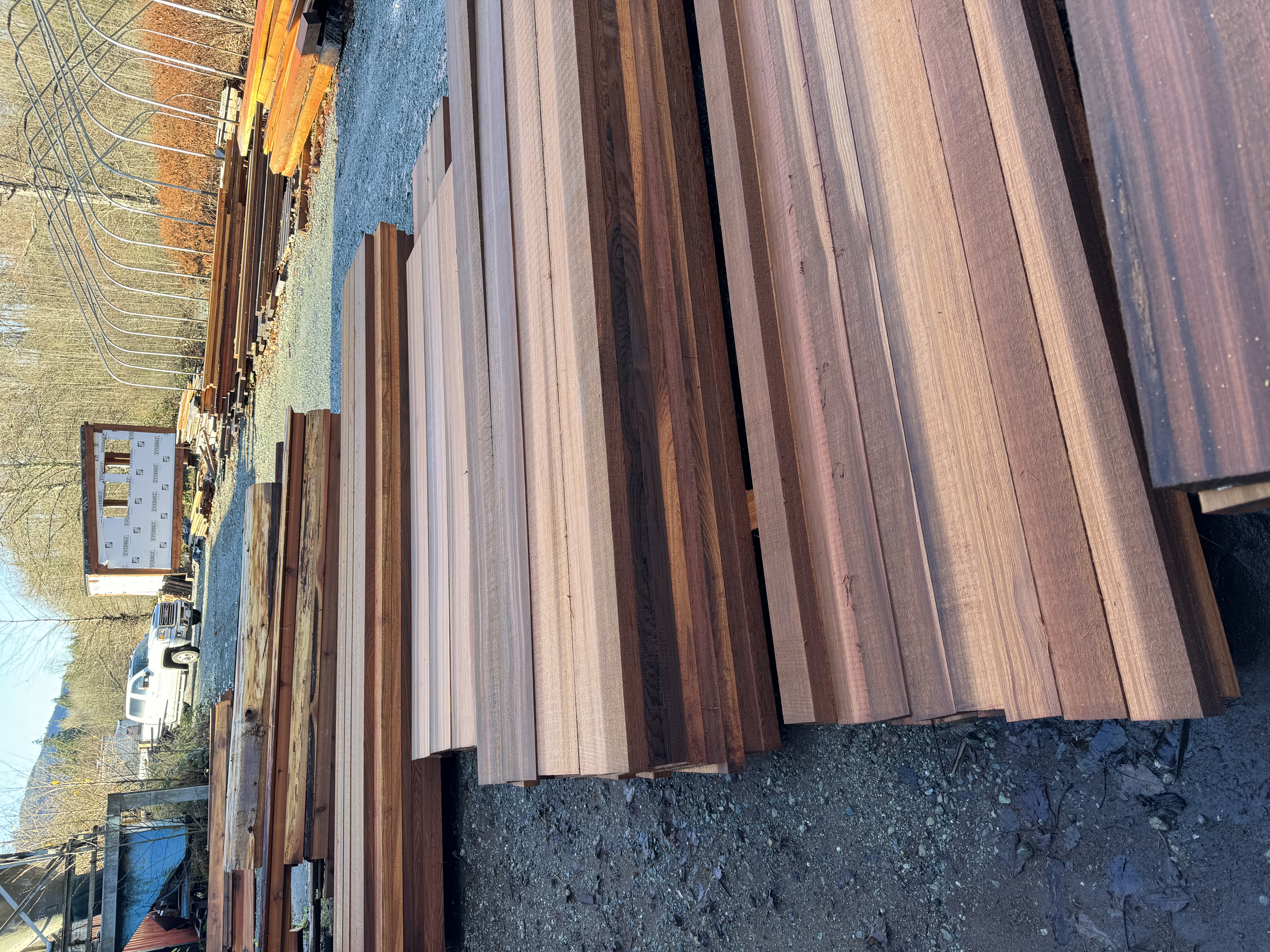
Visual character. The orange-red heartwood, tight rings, and clear sections give old growth a distinctive look that takes a finish beautifully.
What Defines Second Growth
Second growth Douglas Fir comes from managed forests that have been replanted after harvest. Most second growth available today is 60 to 100 years old. The characteristics:
Wider grain. Second growth typically has 8 to 15 growth rings per inch. Faster growth, wider rings.
More juvenile wood in the cross-section. The first 10 to 20 years of a tree’s life produce juvenile wood, which is less dense than mature heartwood. In smaller second growth trees, juvenile wood can make up a significant percentage of the timber.
More variable structural properties. Because growth conditions vary, second growth has more variability piece to piece.
Different visual character. Wider rings, more sapwood, and a lighter color profile than old growth.
The Cost Difference
Old growth Douglas Fir typically costs 50 to 100 percent more than second growth for equivalent dimensions, sometimes more for very large sizes. The supply is limited (most old growth forests are protected), and what is available comes from a finite pool of remaining trees.
Second growth is the workhorse of the modern timber industry. Almost all Douglas Fir milled in the Pacific Northwest today is second growth.
When to Specify Old Growth
Old growth makes sense for a small number of specific cases:
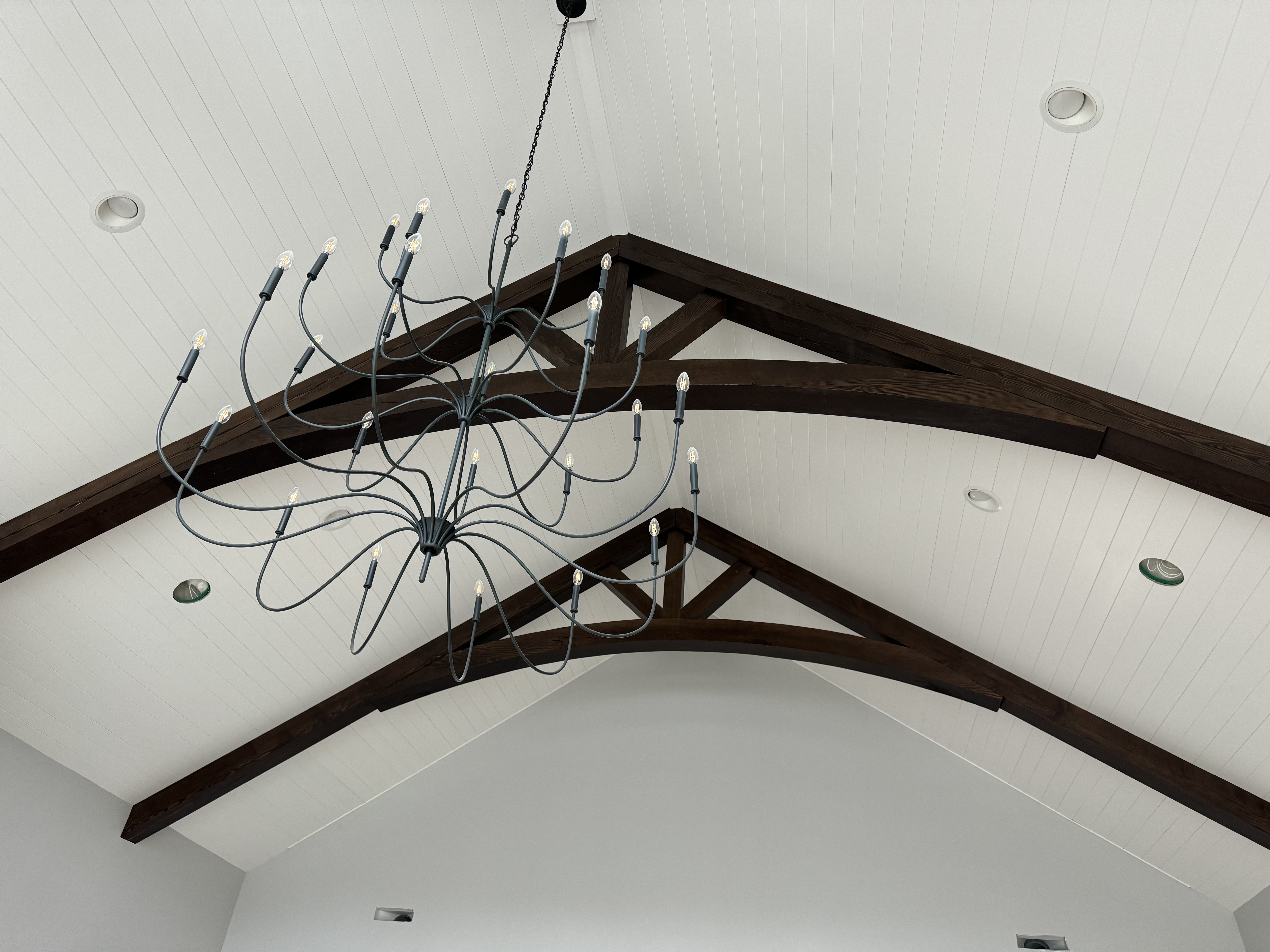
Visible structural elements where tight grain matters aesthetically. Exposed timber frames in high-end residential, restoration projects, monumental commercial spaces. Where the wood will be seen and the look matters.
Restoration of historic buildings. Matching original old growth members in repair or renovation work.
Boat building. Traditional wooden boat construction historically relied on tight-grain Douglas Fir for structural members.
Outdoor exposure with minimal protection. Old growth’s higher heartwood content gives it better natural rot resistance, useful in some unprotected outdoor applications.
For these uses, the premium cost is justified. The look and performance are different from second growth in ways that matter.
When Second Growth Is the Right Call
For everything else, second growth is the correct choice. This covers:
Hidden structural framing. Floor joists, hidden beams, framing inside walls. The performance is more than adequate for engineered loads, and no one will ever see the grain.
Painted or sheathed applications. If the timber is going to be painted, stained dark, or covered, the visual difference does not matter.
Most agricultural and commercial structures. Barns, equestrian arenas, pole buildings, warehouses. These applications need strength and reliability, not visual grain character.
Standard timber frame construction. Most modern timber frame builds use second growth and look excellent. The visual difference is real but does not justify the premium for the vast majority of homes.
Bridges and infrastructure. Where strength values are engineered and consistency matters more than appearance.
Our experience: roughly 90 percent of the timber we ship is second growth, and it performs excellently for what it is meant to do.
How to Specify Each
When ordering, be explicit about which you want. Phrasing in your quote request:
- For old growth: “Old growth Douglas Fir, tight grain (20+ rings per inch), high heartwood content, suitable for exposed structural application.”
- For second growth: “Standard second growth Douglas Fir, WCLIB graded, normal commercial supply.”
If we cannot fulfill an old growth spec from our current stock, we will tell you upfront. Old growth orders sometimes have longer lead times because we may need to source specific logs.
Other Things That Sometimes Get Confused with Old Growth
A few terms that come up that are not quite the same as old growth:
“Vertical grain” or “VG” Douglas Fir. This refers to how the timber is cut from the log (with the grain running vertically through the face), not how old the tree was. Both old growth and second growth can be cut as vertical grain. VG is a cutting orientation, not an age classification.
“Clear” Douglas Fir. This is a grade description meaning the timber has no visible knots. Clear timber can be either old growth or second growth, but most clear timber today is old growth simply because second growth tends to have more visible knots.
“Antique” or “Reclaimed” Douglas Fir. This is wood salvaged from old structures (warehouses, barns, factories) being demolished. It is typically old growth because the buildings it came from are old, but it is a different category than newly milled old growth.
Sustainability Considerations
Old growth Douglas Fir is a finite resource. Most remaining old growth forests in the Pacific Northwest are protected, and what is being harvested comes from a small pool of legally available stands. If sustainability matters to your project (and it should for most), specifying second growth is the responsible default.
Second growth Douglas Fir, harvested from managed forests on a sustainable rotation, is essentially a renewable resource. New trees are planted as old ones are harvested, and the forest cycle continues.
Getting It Right for Your Project
The question for your project: will anyone see the grain? If yes, and if the look matters to the design, talk to us about old growth options. If no, or if the look is secondary to structural performance, specify second growth and save the budget for other parts of your build.
Either way, we mill from logs sourced through the Pacific Northwest supply chain, WCLIB graded to your spec, and shipped from Arlington, Washington. Tell us what you are building and we will help you decide.
Request a quote for either grade.