Douglas Fir Timber Sizes: 6x6 to 30x30 Uses & Weights
Every Douglas Fir timber size from 6x6 to 30x30, the applications each one suits, weight per linear foot, and which sizes are stock versus mill to order.
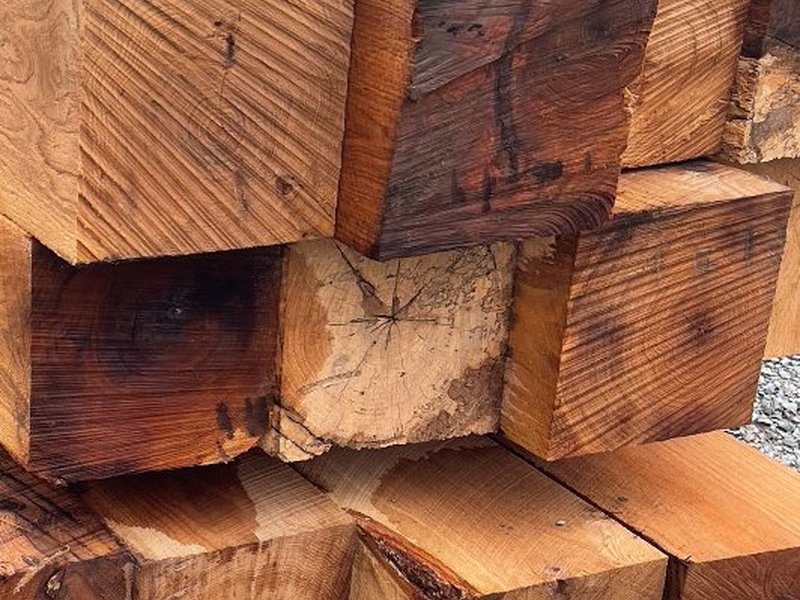
When you first start spec’ing heavy timber, the size options can feel overwhelming. We mill timbers from 6x6 all the way up to 30x30, in lengths from 8 to 60 feet. Each dimension has its place. Picking the right one matters for structural performance, aesthetics, and budget.
Here is a complete guide to what each size range is typically used for.
The Small Sizes: 6x6 to 8x8
The smallest sizes in our regular production. These work well for:
6x6 posts. Residential decks, pergolas, small pavilions, garden structures, light commercial signage. Easy to handle (under 30 pounds per linear foot for Douglas Fir), straightforward to install with standard fasteners.
6x8 and 6x10. Headers and beams for residential applications, light commercial framing, deck beams over moderate spans.
8x8. Posts for larger pergolas, light commercial structures, residential timber frame elements where the look matters but loads are moderate. This is one of the most common sizes we ship.
The 6x6 and 8x8 sizes are within reach of most builders without specialized equipment. A skilled crew with normal tools can install them. Lifting and positioning is reasonable.
The Mid-Range: 8x10 to 10x12
This is where heavy timber starts in earnest. These sizes are common in:
8x10 and 8x12. Standard sizes for timber frame home construction. Posts, beams, and most major structural elements in a residential timber frame. Also common for light commercial timber buildings.
10x10. Primary posts in residential timber frames, larger pavilions, mid-size pergolas, structural members in custom homes. 10x10 in Douglas Fir runs about 29 pounds per linear foot.
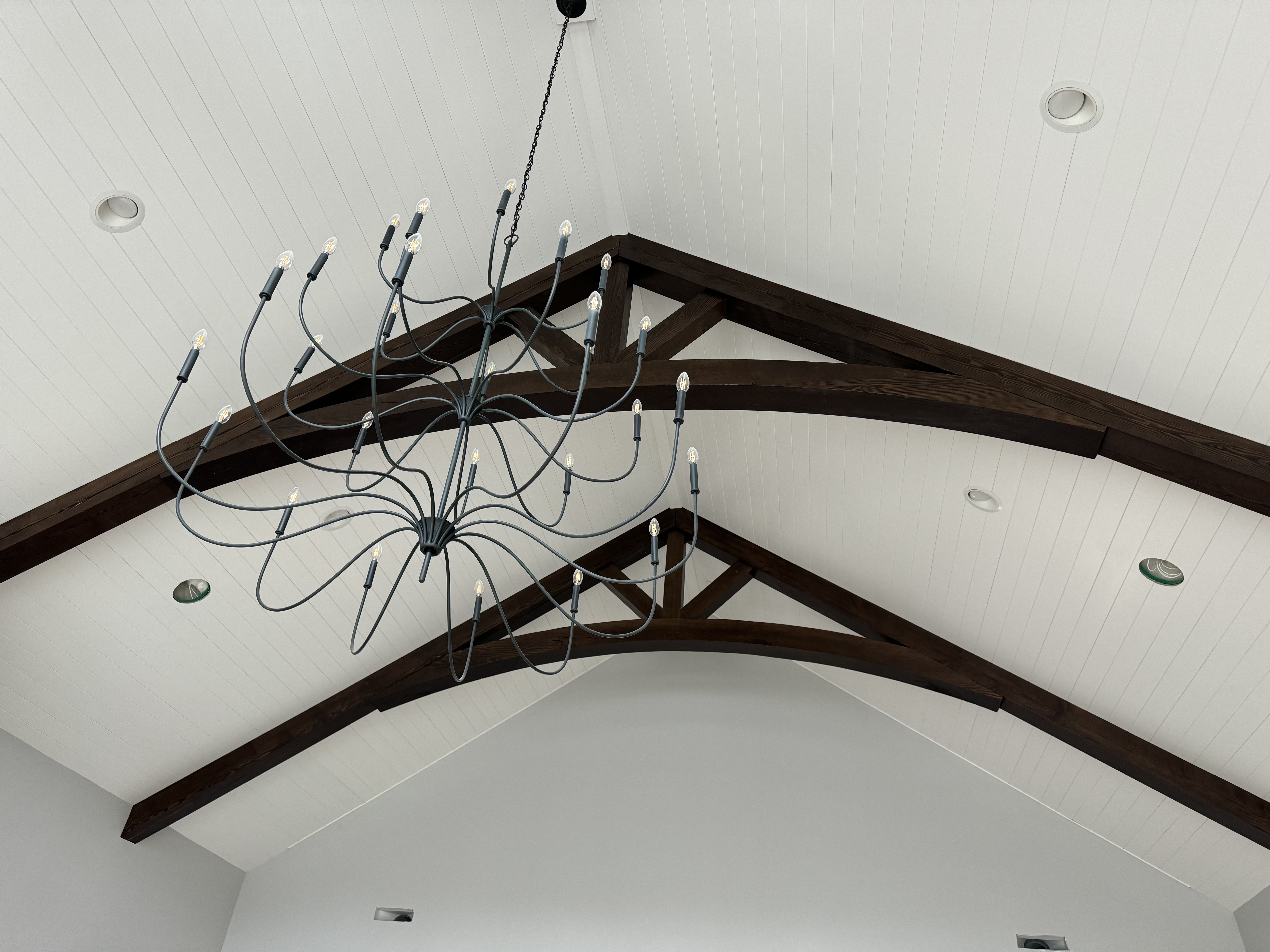
10x12. Primary beams in timber frame construction, equestrian arena structural members, commercial timber pavilions. Common in mid-size projects where the design calls for visible heavy timber.
These sizes need lifting equipment for installation (small crane or telehandler). Crews working with these dimensions need experience with heavy timber framing.
Heavy Structural: 12x12 to 16x16
Now we are into seriously heavy timber. These sizes are used for:
12x12. The classic large timber size. Primary posts in larger timber frame structures, heavy commercial work, equestrian arenas, large pavilions, custom estate work, monumental gates. 12x12 in Douglas Fir is about 42 pounds per linear foot.
12x14 and 12x16. Primary beams in heavy timber construction, headers over large openings, ridge beams in large structures, equestrian arena trusses.
14x14 and 16x16. Heavy commercial framing, large equestrian facilities, bridge timbers, monumental structures. 16x16 in Douglas Fir is about 75 pounds per linear foot, meaning a 30-foot piece weighs over 2,200 pounds.
These sizes require dedicated lifting equipment, careful site logistics, and experienced timber framers. Installation is a coordinated operation, not casual carpentry.
The Oversized: 18x18 to 24x24
Now we are in oversized territory. These sizes get used for:
18x18 to 20x20. Heavy bridge timbers, monumental entry gates, very large structural posts for industrial applications, large equestrian arenas, custom estate features.
24x24. Bridge stringers, very heavy commercial structural work, large industrial buildings, oversized commercial entry structures, restoration of large historic buildings.
At these sizes, every piece is a logistics event. A 30-foot 24x24 Douglas Fir timber weighs over 5,000 pounds. Transport requires permits, route planning, and dedicated equipment. Installation requires substantial cranes and meticulous planning.
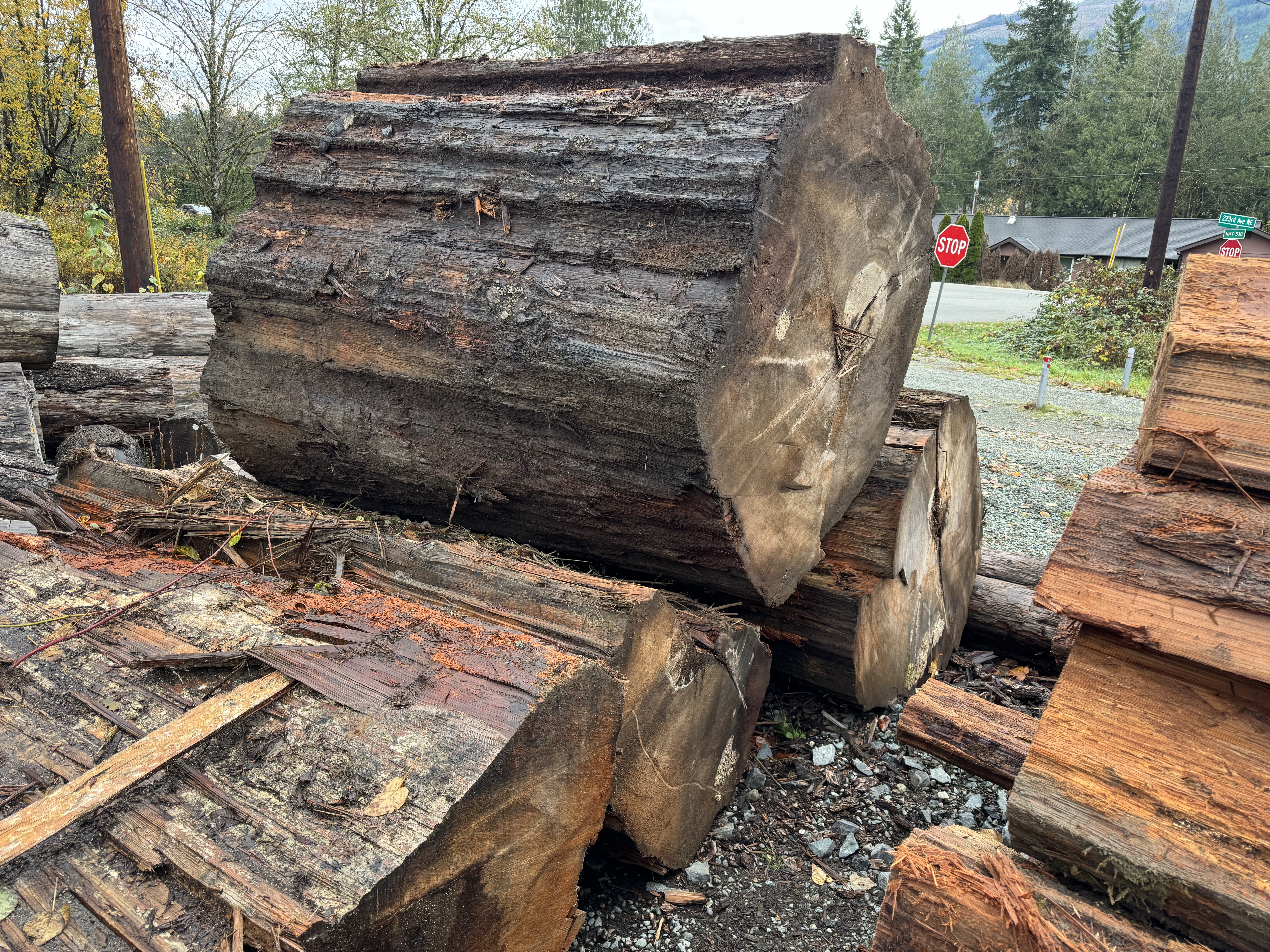
We mill these regularly but they are not casual orders. Expect longer lead times because we may need to source specific oversized logs.
The Massive: 24x30 and 30x30
The largest sizes we mill on a regular basis. These are specialty applications:
24x30. Heavy industrial bridge work, very large historic restoration, oversized monumental commercial structures, specific engineered applications requiring extreme cross-section.
30x30. Specialty bridge construction, very heavy industrial use, monumental restoration where the original specs called for massive timbers, specific structural applications where smaller cross-section is engineered as inadequate.
At 30x30 Douglas Fir, you are looking at about 263 pounds per linear foot. A 20-foot 30x30 weighs over 5,200 pounds. These pieces require everything to be planned: log sourcing, milling time, drying, transport, installation logistics, site staging.
Lead times for 30x30 work run 6 to 12 weeks depending on log availability. We do these regularly because our mill is set up for oversized work, but they are not orders that ship next week.
Length Considerations
Length is a separate dimension that affects what is buildable. Standard lengths run 8 to 20 feet and carry no length surcharge. Longer pieces are custom-milled to 60 feet, priced in three bands:
21 to 30 feet. Available regularly. Adds $1 per board foot to the base rate. Transport is straightforward with standard flatbed trucks.
31 to 40 feet. Available with advance notice. Adds $2 per board foot. Transport may require oversize permits depending on the state.
41 to 60 feet. Adds $3 per board foot. Transport almost always requires oversize permits and route planning. Confirm site access (turn radius, overhead clearance) before ordering.
Sixty feet is the ceiling, and it is log-limited rather than mill-limited. Call before you spec one so we can tell you what is realistically available.
Long lengths in large cross-sections (a 12x12 at 50 feet, for example) require very large logs, which means we may need to source specific material. Lead times extend accordingly.
Choosing the Right Size
For most applications, the right size comes from structural engineering. Your engineer calculates the loads, picks a member size that performs, and specifies it. Do not guess at sizes for structural applications.
For aesthetic decisions (where the size is more about look than load), here is rough guidance:
- Small residential, light decorative: 6x6 or 8x8
- Residential timber frame, mid-size structures: 8x10, 10x10, or 10x12
- Substantial timber frame, large pavilions, equestrian: 12x12 or larger
- Commercial monumental, industrial, bridges: 16x16 and up
- Specialty applications: 18x18 to 30x30 as engineered
When in doubt, talk to your engineer. When you have the spec, talk to us about availability and pricing.
Standard Stock vs Custom
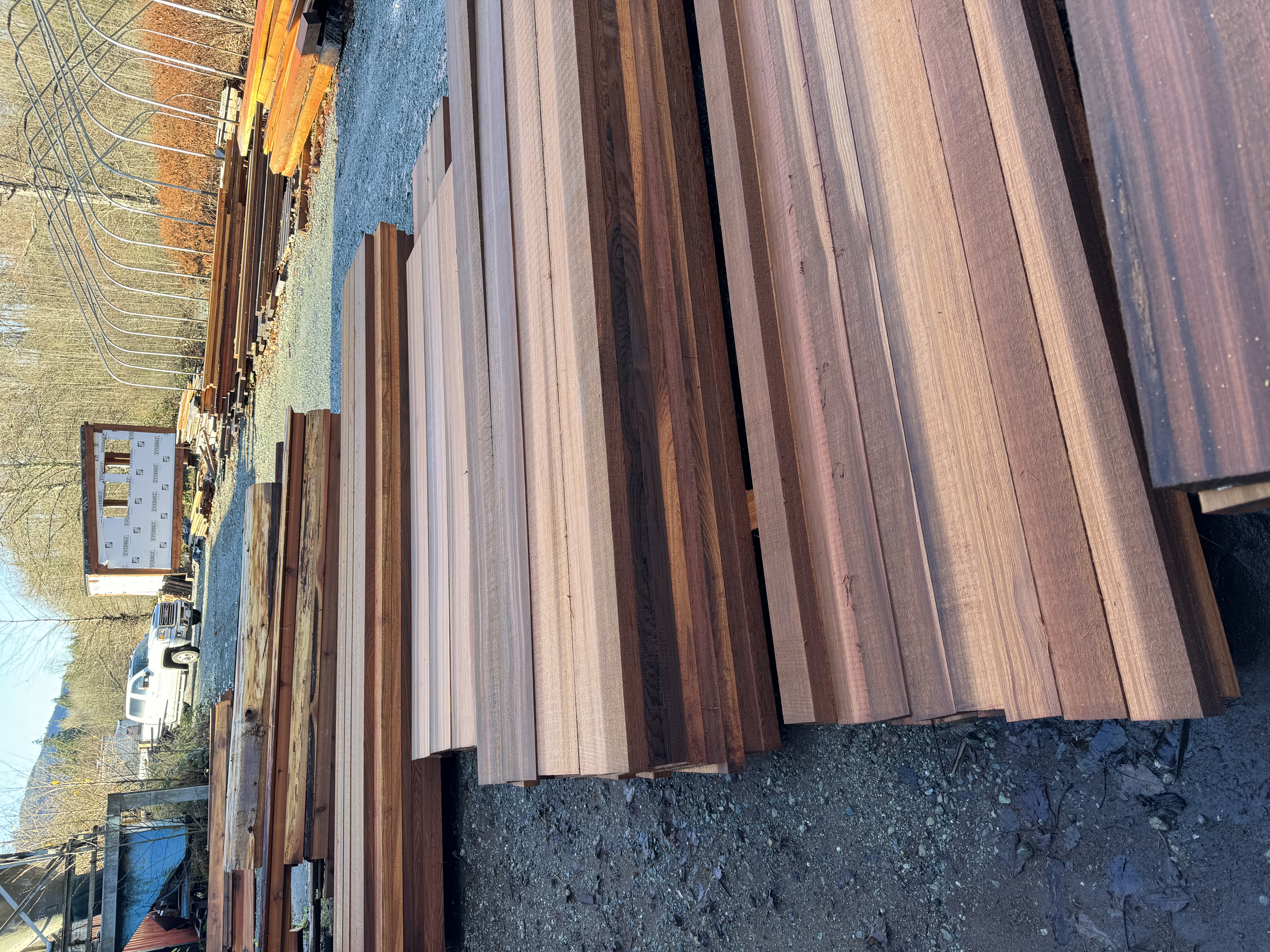
We keep stock of common sizes (6x6, 8x8, 10x10, 12x12) in normal lengths (10, 12, 14, 16, 20 feet). These can sometimes ship within a week if you do not need anything special.
Anything outside the common sizes and lengths is mill-to-order. Lead times run 2 to 8 weeks depending on what you need.
For a current pricing breakdown by size or to request a quote on specific dimensions, we are ready to help. Mill-direct from Arlington, Washington, shipping nationwide and internationally.
Last updated September 14, 2026